The Pros and Cons of Living in Sparks, NV in 2026
Sparks, NV sits just east of Reno, with a population somewhere between 110,000 and 111,500 residents and a housing market that operates a little differently than its neighbor's. If you're buying a home in Sparks, NV, the core tension is straightforward: the region pays well, but it costs a lot to live here too.
As of mid-2026, the median home sale price in Sparks is around $524,700, and homes are sitting on the market an average of 37 days. Before you decide whether this city makes sense for your situation, you need a clear look at the numbers on living costs, climate exposure, and commute realities.
The Quick Verdict on Sparks
Median household income in Sparks runs between $86,000 and $92,500 - a touch above the Nevada state median. That's a real advantage, but it doesn't tell the whole story, because housing costs here outpace national averages by a meaningful margin.
Right now there are about 358 homes available, which works out to roughly 2.6 months of inventory. You have options, but this isn't a market where you can afford to be leisurely about a decision once you find a property that fits.
Pros of Living in Sparks
You get access to the full Washoe County job market without being planted in the middle of Reno. The housing supply is reasonably steady, schools fall under the Washoe County School District, and those median incomes do help take some of the edge off regional housing costs.
Cons of Living in Sparks
One estimate puts the annual income a single adult needs just to cover basic expenses at roughly $63,700. That's before you think about a mortgage, a down payment, or building savings.
The environmental picture is also serious. About 79% of buildings in Sparks carry a high wildfire risk. A separate 17% of properties face significant flood risk, with an average 27% chance of a flood event reaching 1.4 feet deep over a 30-year mortgage period. These aren't abstract percentages - they show up in your insurance premiums.
Where Is Sparks and What County Is It In?
Sparks is in Washoe County, sharing a border with Reno on its western edge. The two cities are functionally part of the same metro area, though each maintains its own municipal government and services.
The city's population has grown steadily, reaching between 110,000 and 111,500 in recent Census estimates, which puts Sparks somewhere between the fifth and ninth most populous city in Nevada depending on the specific demographic ranking used. The 2020 Census recorded 108,445 residents, so the growth is real and ongoing.
Washoe County and Reno Access
Being in Washoe County means you share county-level infrastructure and services with Reno. The border is close enough that commuting between the two cities for work or errands is routine for a lot of residents.
That said, the shared boundary doesn't mean identical costs. Property tax rates and municipal fees differ across the city line, and if you're comparing homes on both sides, that comparison is worth doing carefully.
Population and Size
The city stretches north into areas like Spanish Springs, covering a substantial geographic footprint. That size supports a range of commercial centers and residential developments, and ongoing construction continues to add to the housing supply as demand pushes the population past the 110,000 mark.
Sparks Crime Statistics: What the Data Says
According to FBI 2024 Uniform Crime Report data, Sparks has a total crime rate of about 2,978 to 2,979 per 100,000 residents - roughly 30 incidents per 1,000 people, which runs higher than the national average. In 2024, the city recorded 437 violent crimes and 2,863 property crimes among a population of roughly 110,807. The violent crime rate works out to approximately 394 to 395 per 100,000; the property crime rate is about 2,584 per 100,000.
Finding Official Crime Data
For current, neighborhood-level information, go directly to the Sparks Police Department and the Washoe County Sheriff's Office. Both agencies provide incident reports and mapping tools. The FBI's Uniform Crime Reporting (UCR) program is also useful for standardized comparisons with other cities.
Skip the neighborhood forums. The official data is what your decision should rest on.
Researching Specific Areas
Municipal crime mapping portals let you filter by date and crime type near a specific address. That's worth doing for any property you get serious about. Property crimes - vehicle break-ins in particular - tend to make up the bulk of local reports and are the most useful signal for thinking about what security measures you'd want in place.
Cost of Living in Sparks
The median home sale price as of mid-2026 is roughly $524,700, and homes are selling for about 99.3% of list price on average. Housing is the dominant cost driver here, which is why cost-of-living figures vary so widely depending on the source. Some indexes put Sparks near the national average at 97.4; other methodologies estimate living costs run up to 45% above the U.S. baseline. That gap comes down to how heavily each calculation weights housing expenses.
Home Prices and Rent
With a median sale price above $500,000, you're looking at a substantial down payment and monthly commitment before you even get to maintenance and insurance. About 24.8% of homes sell above asking, which tells you that competition for the right property is real. Renters face similar pressure - regional demand keeps lease rates elevated, and utility costs here tend to run above the national average as well.
Salary Needed for Basic Expenses
A single adult needs roughly $63,700 a year to cover basic living expenses in Sparks - housing, utilities, groceries, standard transportation. If the median household income of $86,000 to $92,500 is coming from two earners, those costs are manageable. If you're buying on a single income, your debt-to-income ratio deserves a very close look before you make an offer.
Sparks Population and Community
The median age in Sparks falls somewhere between 37 and 39, depending on the Census data year. That profile reflects a city with a real working-age core - plenty of established households and professionals, alongside a retiree population. The broader economic expansion in Washoe County has driven consistent growth, which brings new residential development but also puts more pressure on local infrastructure and services.
Household Income Data
Census Bureau and American Community Survey data put median household income between $86,000 and $92,500, which is generally above Nevada's statewide median. When you sit down with a lender, they'll want to see how your specific income stacks up against local housing costs - that spread between income and purchase price is the number that really matters.
Age Profile and Growth
With 110,000 to 111,500 residents spanning a wide distribution of age groups, the city has the retail and service base you'd expect - and it's expanding. Newer subdivisions on the outskirts are adding homes and commercial space to keep pace with the population influx. If you're looking at the edges of town, factor in that some of those neighborhoods are still being built out.
Climate and Natural Hazards
This section deserves more than a quick skim. About 79% of buildings in Sparks carry a high wildfire risk. Separately, around 17% of properties face significant flood risk, with an average 27% chance of a 1.4-foot-deep flood over a 30-year mortgage period. The region also deals with dry conditions, extreme summer heat, and periodic droughts. For most buyers, the insurance implications are the most immediate practical concern.
Wildfire Risk and Insurance
Defensible space isn't optional in this market - clearing brush and maintaining fire-resistant landscaping are standard responsibilities for Sparks homeowners. Before you close, verify what insurance coverage will actually cost for the specific property you're considering. Carriers in high-risk zones charge higher premiums, and some require specific property modifications before they'll issue a policy at all.
Flood Zones and Seismic Activity
Flood risk in Sparks is concentrated along the Truckee River and its tributaries, including Steamboat Creek and Dry Creek in the southern part of the city. If your property is near those waterways, your lender will likely require flood insurance. The region also sees moderate seismic activity - local building codes mandate earthquake-resistant construction, so newer homes are built to those standards.
Sparks vs Nearby Alternatives
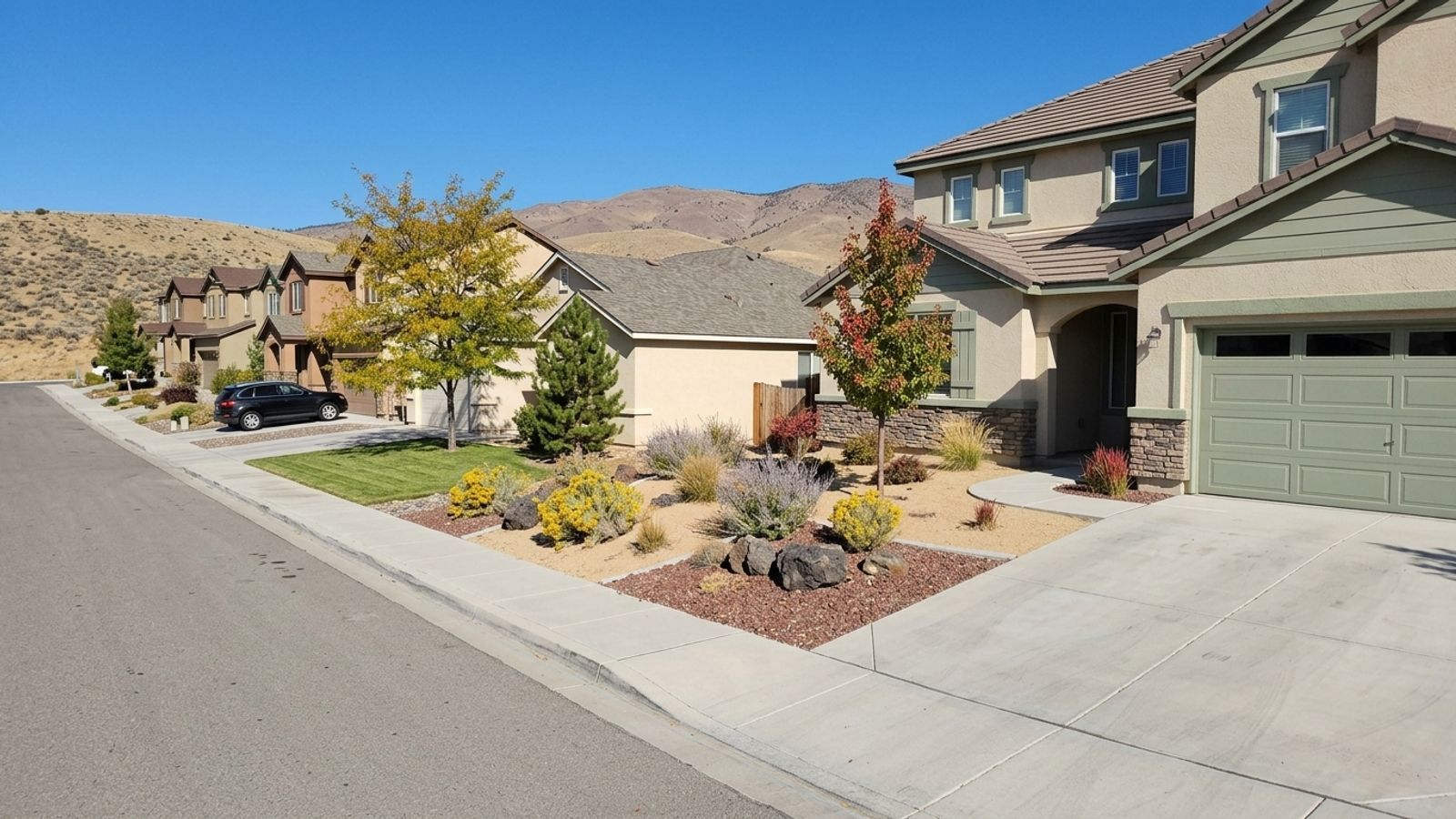
Sparks and Reno share a border and the same regional climate, the same broad economic drivers, and overlapping housing demand. What differs is inventory mix. Sparks leans heavily toward suburban tract housing and master-planned communities, while Reno offers more historic neighborhoods, downtown condos, and density closer to the university. Neither is objectively better - it comes down to what you're actually trying to buy and how you want to live.
Tradeoffs with Reno
If newer construction in a planned community is what you're after - particularly in the northern sections of Sparks - this city delivers that more consistently than Reno does. If you want walkable downtown access or proximity to the university, Reno gives you more to work with. Either way, compare the property tax rates and utility structures for any specific home you're serious about. The city line matters more than people realize.
Commute and Housing Type Differences
Getting from Sparks to central Reno or the Tahoe Reno Industrial Center means I-80 or local highways. How long that actually takes depends on where in Sparks you're starting from - homes near the highway interchanges have a cleaner commute than those coming from the northern edges of the city. The current inventory of 358 homes is predominantly single-family detached houses. Townhomes and low-maintenance options exist, but if that's your target, your search will be narrower.
Housing Options: Senior, Assisted, and Sober Living
Sparks has a range of specialized housing beyond the standard single-family and rental market. That includes dedicated senior living communities, assisted living facilities, and sober living homes that provide structured environments for individuals in recovery. These facilities are woven into the broader residential landscape and serve different parts of the city's population.
Senior and Assisted Living
Senior living options in Sparks run from independent 55+ communities to full-service assisted living centers, with amenities scaled to match - accessible design, on-site healthcare coordination, and varying levels of daily support. If you're evaluating these options for yourself or a family member, get clear on exactly what services are included in the monthly fees. Costs vary significantly based on care level and unit size.
Sober Living Facilities
Sober living homes operate as transitional housing, with structured rules and sobriety requirements. They offer peer support and a consistent daily routine for people working through recovery. Availability shifts with demand across the Washoe County recovery network, so anyone interested should contact program administrators directly for current intake requirements and openings.
Local Amenities and Services
The Washoe County School District serves Sparks, managing campuses that include 31 elementary schools, 11 middle schools, and 8 high schools across the broader district, with many located within Sparks city limits. Beyond schools, residents have access to public parks, standard municipal services, and regional healthcare networks shared with Reno - which means a solid range of medical services and emergency care without having to leave the metro area.
Washoe County School District
When you buy in Sparks, your children's school assignment comes from the Washoe County School District and is tied to your specific home address. District boundaries shift as new neighborhoods are built and population densities change, so verify the zoned schools for any property before you make an offer - don't assume based on what the subdivision is called or what a neighbor tells you.
Healthcare and Daily Amenities
Retail, grocery, and dining options are spread throughout the city, and the regional healthcare systems accessible from Sparks are the same ones serving Reno. That said, Sparks is a car-dependent city. Daily errands assume you're driving, and access to I-80 is what makes reaching larger shopping districts or specialists in Reno straightforward.
Frequently Asked Questions
Is it cheaper to buy a house in Sparks compared to Reno, NV?
It depends on the specific neighborhood and property type. As of mid-2026, the median home sale price in Sparks is roughly $524,700, which is comparable to many parts of Reno - though Sparks often offers newer suburban construction for the price.
What are the biggest downsides or complaints from people living in Sparks?
The two that come up most consistently are housing costs and natural hazard exposure. About 79% of buildings in Sparks face a high wildfire risk, and a single adult needs around $63,700 annually just to cover basic living expenses.
How long is the commute from Sparks to the Tahoe Reno Industrial Center?
It depends on where in Sparks you're starting from and what traffic looks like on I-80. Residents near the highway interchanges have a more direct drive than those commuting from the northern edges of the city.
Does Sparks get heavy snow or extreme winter weather?
Sparks has a high desert climate with cold winters, but heavy snow accumulation on the valley floor is less common than in the nearby mountains. The more consistent weather concerns are extreme summer heat and periodic droughts.
Do most neighborhoods in Sparks, like Spanish Springs, require HOA fees?
Many of the newer master-planned communities in Sparks and the Spanish Springs area do have Homeowner Associations. Factor those monthly or quarterly dues into your overall housing budget before you fall in love with a place.
Which parts of Sparks are best for families looking for top-rated schools?
Sparks is served by the Washoe County School District, which operates 31 elementary, 11 middle, and 8 high schools across the broader area. Under Fair Housing laws, real estate professionals can't steer buyers toward or away from specific neighborhoods based on family status - so review the district's boundary maps directly and research school data independently to find the right fit for your household.